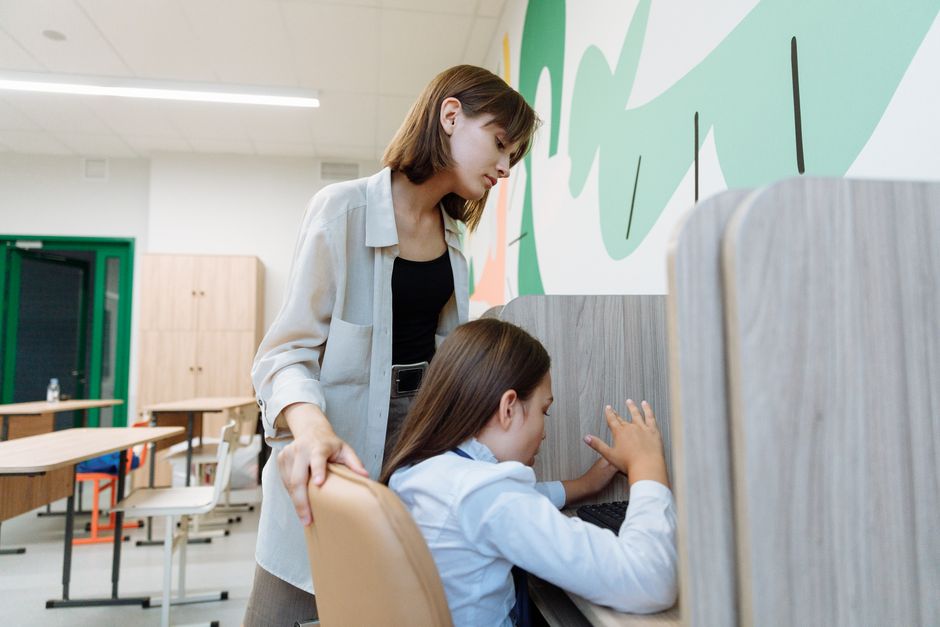
Supporting neurodiverse students, those with varied cognitive processes, is essential in creating inclusive educational environments. Let's explore effective strategies to ensure their success.
Understanding Neurodiversity
Neurodiversity encompasses conditions like autism, ADHD, and dyslexia. Recognizing these as natural variations in the human brain, rather than deficits, shifts the perspective towards supportive inclusivity.
Differentiated Instruction
Tailoring education to individual needs is crucial. Differentiated instruction involves varied teaching methods, allowing each student to engage with content in a way that suits their learning style.
Creating Inclusive Classrooms
Incorporating adaptive tools and assistive technologies can bridge learning gaps. Training teachers in inclusive practices fosters a classroom environment where neurodiverse students thrive.
Encouraging Peer Support
Fostering a culture of empathy and understanding among peers encourages neurodiverse students to feel accepted and valued, enhancing their educational experience.
In conclusion, by embracing diverse learning needs through customized strategies and inclusive practices, educational institutions can empower neurodiverse students to achieve their full potential.