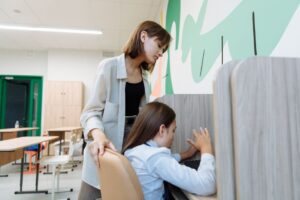
In today's diverse educational landscape, supporting neurodiverse students is crucial for fostering an inclusive and equitable learning environment. This article explores effective strategies to empower and uplift students with unique cognitive and learning needs.
Understanding Neurodiversity
Neurodiversity refers to the variation in the human brain and cognition, often seen in conditions such as autism, ADHD, and dyslexia. Recognizing and valuing these differences is the first step toward creating an inclusive classroom.
Personalized Learning Approaches
Implementing personalized learning strategies allows educators to tailor lessons to meet each student's unique needs. This includes adapting teaching methods, utilizing various educational tools, and offering assignments that align with individual learning styles.
Building an Inclusive Environment
Creating a classroom atmosphere that celebrates diversity and acceptance is essential. Encourage open communication, promote understanding among peers, and ensure that all students feel valued and respected.
Leveraging Technology
Technological advancements can serve as powerful tools to aid neurodiverse learners. Incorporate assistive technologies, such as speech-to-text software and interactive apps, to enhance engagement and accessibility.
Professional Development for Educators
Continuous professional development enables teachers to gain insights into the latest educational practices for supporting neurodiverse students. Training programs focused on diversity and inclusion equip educators with the skills needed to adapt and thrive in diverse learning environments.
In conclusion, by recognizing and accommodating the unique needs of neurodiverse students, educators can create a supportive and empowering educational experience for all learners.