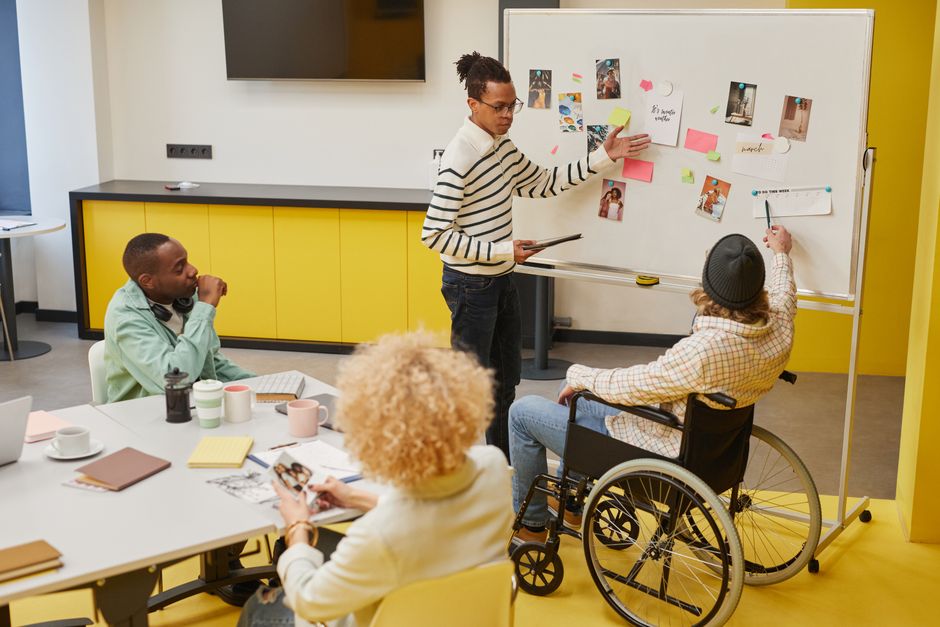
Creating an inclusive classroom environment is essential for accommodating diverse learning needs and promoting equity in education. By implementing specific strategies, educators can nurture a space where all students thrive.
Understanding Diverse Learning Needs
Recognizing the varied cognitive, emotional, and social needs of students is the foundation for an inclusive classroom. Tailoring lesson plans to these diverse requirements fosters an engaging learning environment.
Collaborative Teaching Approaches
Utilizing collaborative teaching strategies, such as co-teaching and peer learning, enhances support for students with different learning abilities. This method encourages student interaction and builds a strong classroom community.
Incorporating Assistive Technologies
Integrating assistive technologies can significantly aid students with disabilities. Tools like speech-to-text software and audiobooks empower learners by providing alternative ways to access information.
Flexible Assessment Methods
Adopting flexible assessment strategies ensures that all students have an opportunity to demonstrate their understanding. Diverse evaluation techniques, including oral presentations and project-based assessments, cater to various learning styles.
In conclusion, fostering an inclusive classroom demands intentional planning and diverse strategies. By understanding and addressing students' unique needs through collaborative, technological, and flexible approaches, educators can create a nurturing and equitable environment for every learner.