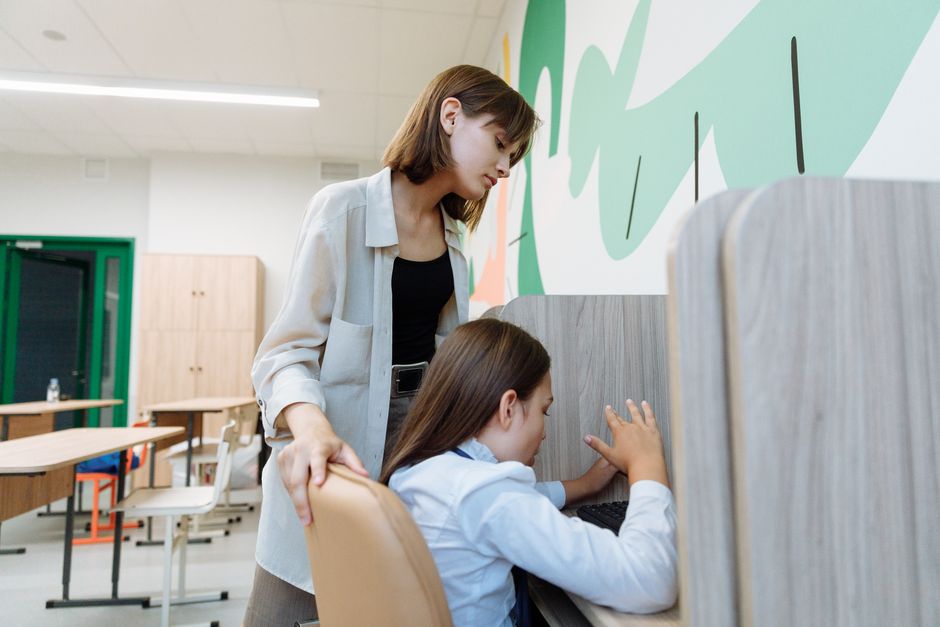
Neurodiversity in the classroom presents both challenges and opportunities, requiring tailored approaches to promote an inclusive learning environment. Understanding the best strategies to support neurodiverse students ensures that every learner can achieve their potential.
Foster an Inclusive Classroom Environment
Creating a welcoming and supportive atmosphere is essential. Encourage open discussions about neurodiversity and promote acceptance among students. This fosters a sense of belonging and reduces stigma, enhancing learning experiences for all.
Customize Teaching Approaches
Individualized education plans (IEPs) are crucial in addressing specific needs. Employ diverse teaching methods, such as multisensory instruction and flexible seating arrangements, to cater to various learning preferences.
Utilize Technology
Assistive technologies, like speech-to-text tools and interactive apps, aid in bridging learning gaps. Incorporating these resources can significantly enhance engagement and comprehension among neurodiverse students.
Provide Social and Emotional Support
Implementing peer support systems and social skills training can greatly benefit neurodiverse students. Encouraging participation in group activities helps develop interpersonal skills and confidence.
Engage with Parents
Open communication with parents ensures consistency and reinforces strategies at home. Collaborating with families helps in understanding students’ unique needs and monitoring their progress effectively.
In conclusion, supporting neurodiverse students requires a multifaceted approach that emphasizes inclusivity, adaptability, and collaboration. By implementing these strategies, educators can create a nurturing educational environment for all learners.