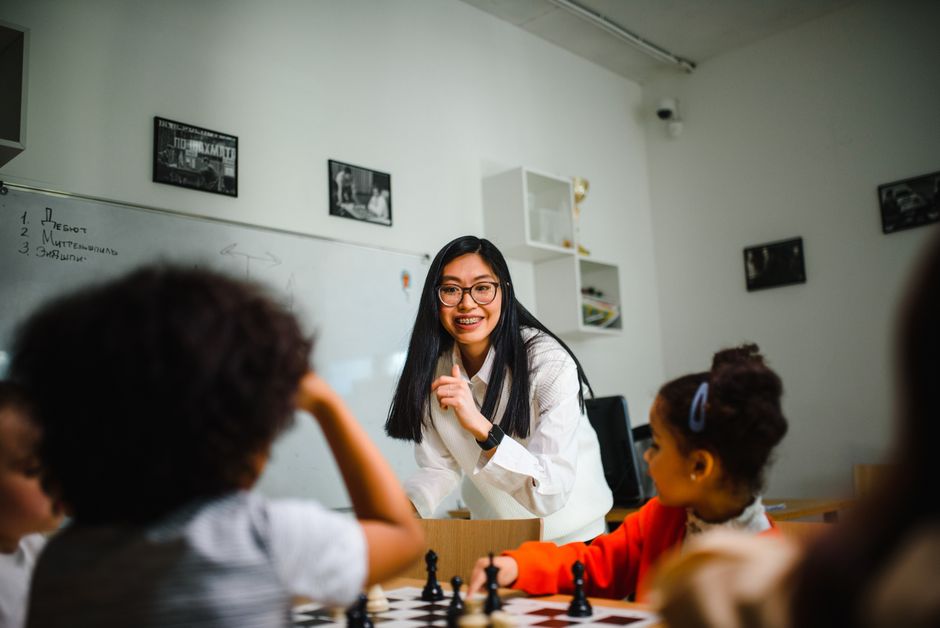
In an increasingly diverse world, multicultural education strategies are vital for fostering inclusive and dynamic learning environments. By embracing cultural differences, educators can enrich students' academic and social experiences, preparing them for global citizenship.
Celebrate Cultural Diversity in the Classroom
Integrating diverse cultural perspectives into the curriculum is paramount. Teachers can incorporate stories, historical events, and contributions from various cultures into lessons. This approach not only promotes understanding but also encourages students from diverse backgrounds to share and value their unique heritages.
Encourage Open Dialogue and Interaction
Facilitating open discussions about cultural differences and encouraging cross-cultural interactions are essential strategies. By establishing a safe space where students feel comfortable sharing their experiences, educators can promote empathy and mutual respect among students, leading to a more harmonious classroom atmosphere.
Provide Professional Development for Teachers
Empowering educators through workshops and training programs focused on multicultural education enables them to better address the diverse needs of their students. Continuous professional development ensures that teachers are well-equipped to implement culturally responsive teaching practices effectively.
In conclusion, adopting multicultural education strategies is crucial for creating an inclusive and enriched learning environment. By celebrating diversity, fostering dialogue, and investing in teacher development, educators can significantly impact students’ appreciation for cultural diversity and prepare them for the globalized world.