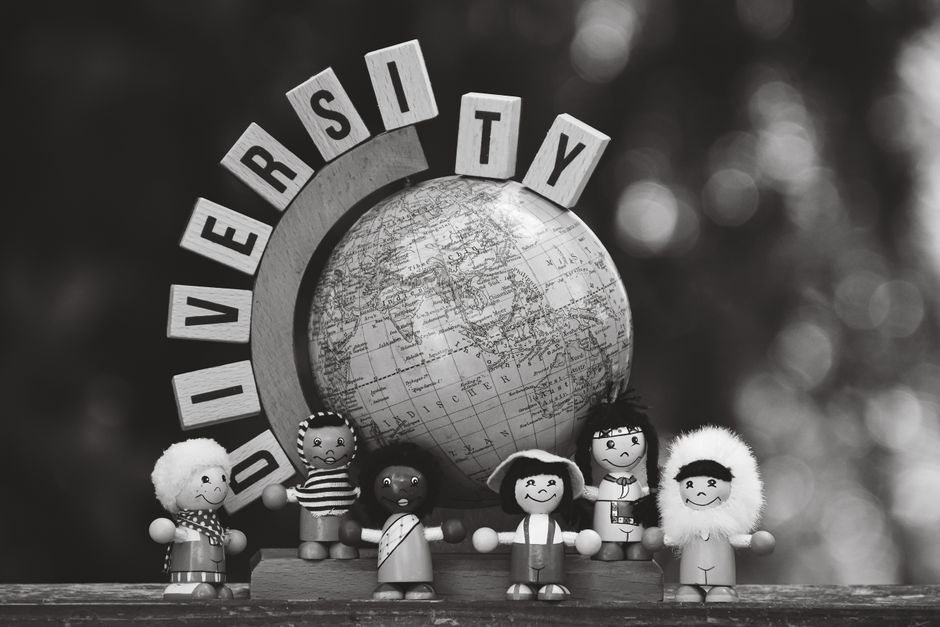
In an increasingly interconnected world, diversity and inclusion education is essential for creating enriching and equitable learning environments. It breaks barriers, fosters mutual respect, and broadens perspectives to equip individuals with skills to thrive in diverse settings.
The Importance of Diverse Curricula
Integrating diverse curricula highlights underrepresented voices, ensuring students gain a well-rounded understanding of the world. This approach enables learners to challenge preconceptions and develop empathy.
Promoting Inclusivity in Schools
Inclusion in education means adapting teaching methods to support all learning styles and needs. This strategy cultivates a supportive atmosphere where every student feels valued, leading to improved engagement and achievement.
Overcoming Barriers to Implementing Diversity Initiatives
While implementing diversity and inclusion requires effort, the benefits outweigh the challenges. Addressing implicit biases and fostering open dialogues are key strategies for overcoming resistance and enriching the educational experience.
Conclusion: The Path Forward
Embracing diversity and inclusion in education is not merely an option but a necessity for contemporary societies. By championing these principles, we empower future generations to build a more harmonious and just world.