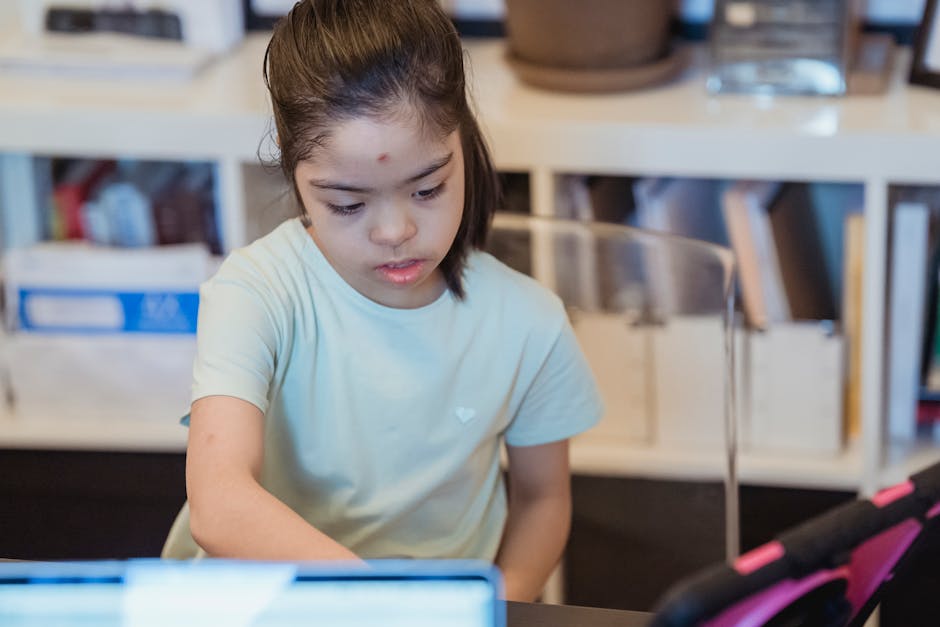
In today’s educational landscape, addressing diverse learning needs has become paramount. As educators encounter a mosaic of student abilities and backgrounds, understanding these differences can enhance teaching outcomes.
Acknowledging Varied Learning Styles
Each student processes information uniquely, whether through visual, auditory, or kinesthetic means. Recognizing and accommodating these styles can significantly boost engagement and comprehension.
Cultural and Linguistic Differences
Cultural and linguistic diversity adds complexity to learning environments. Customizing content to be inclusive can help bridge gaps and promote equality among learners.
Special Education Needs
Special education encompasses a variety of requirements, from cognitive challenges to physical disabilities. Tailored strategies and resources are essential for these students to thrive academically.
Conclusion: Embracing Inclusivity
Embodying an inclusive educational approach addresses diverse learning needs, fostering a supportive and productive atmosphere for all students. Through understanding and adaptation, educators can unlock the full potential of every learner.