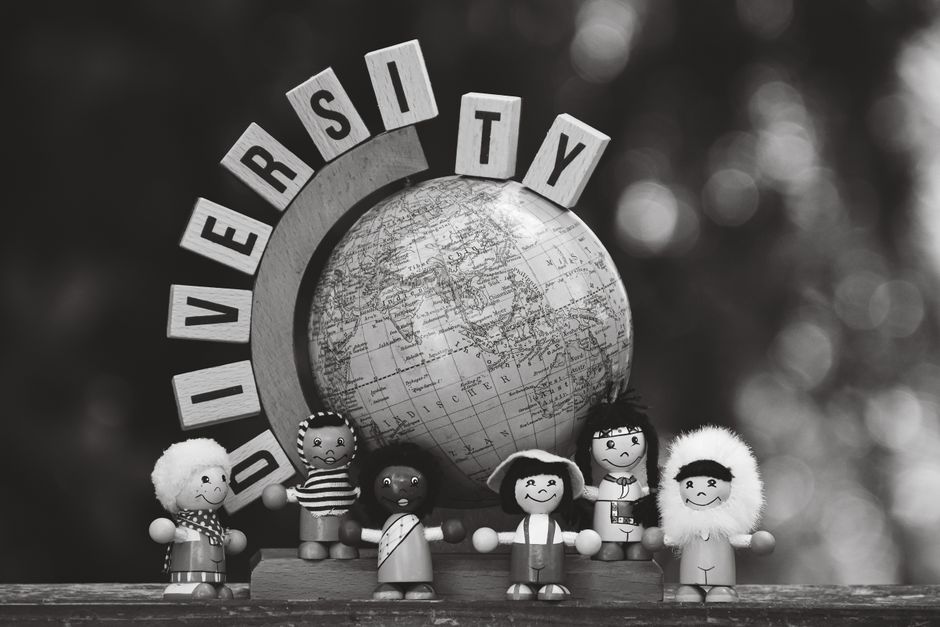
The concepts of diversity and inclusion have become central to educational development, ensuring environments that celebrate differences and foster equity. These principles not only promote social harmony but also boost innovation and creativity.
Understanding Diversity and Inclusion
Diversity involves recognizing and valuing varied cultural, ethnic, and individual differences. Inclusion ensures that every individual, regardless of their background, is made to feel welcomed and appreciated in education settings.
Benefits to Education
Incorporating diversity and inclusion into curricula enriches classroom experiences, preparing students to thrive in global societies. It enhances critical thinking by exposing learners to multiple perspectives.
Creating Inclusive Environments
Building inclusive environments requires teacher training, curriculum adaptation, and institutional commitment. Schools succeed by incorporating diverse voices in their decision-making processes.
Conclusion
Leveraging diversity and inclusion in education promotes comprehensive growth and cultivates acceptance, equipping future generations with the skills necessary for a harmonious societal contribution.