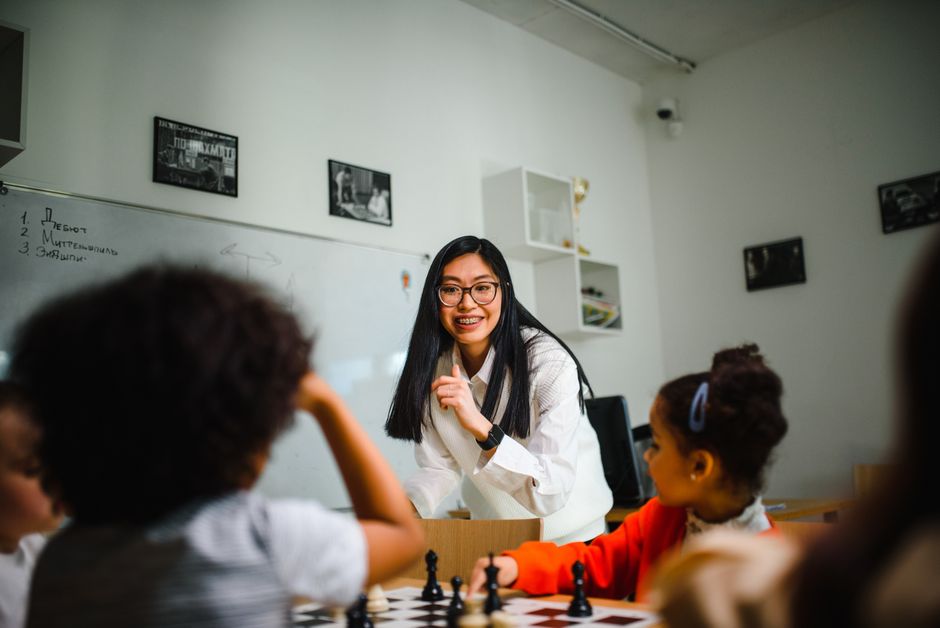
In today's diverse classroom environments, adopting multicultural education strategies is crucial for fostering inclusivity and understanding. This article explores effective techniques that educators can implement to support students from various cultural backgrounds.
Understanding Multicultural Education
To promote a multicultural classroom, educators must first understand the cultural dynamics at play. This involves recognizing and valuing the diverse backgrounds and experiences that each student brings.
Inclusive Curriculum Design
Developing an inclusive curriculum is key. Teachers should integrate materials and resources that reflect multiple cultural perspectives, thus allowing students to see their own identities represented in the classroom content.
Encouraging Diverse Learning Styles
Accommodating diverse learning styles ensures that all students have equal opportunities to succeed. Teachers should employ various instructional methods, such as visual aids and hands-on activities, to cater to different learning preferences.
Building a Culturally Responsive Environment
Creating a culturally responsive classroom requires open dialogue and respect. Educators can facilitate this by encouraging students to share their cultural perspectives and by addressing any biases or stereotypes.
Conclusion
Embracing multicultural education strategies enriches the learning experience for all students. By implementing inclusive curricula, addressing diverse needs, and fostering a respectful environment, educators can create a classroom culture that celebrates diversity and drives educational equity.