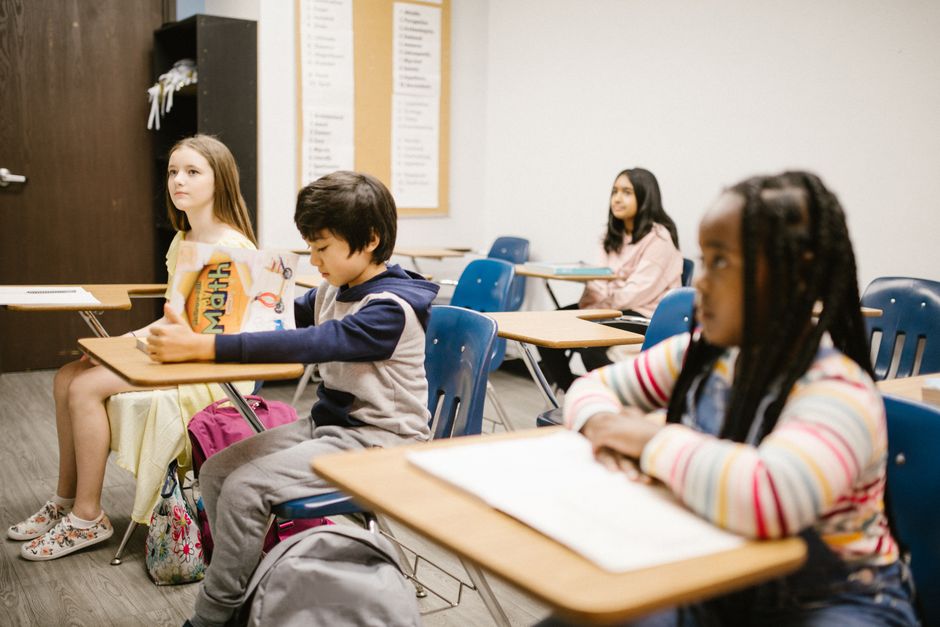
Creating an inclusive learning environment is not just a buzzword; it's a necessity in today’s diverse educational landscape. Schools and educators are increasingly recognizing the importance of catering to a wide range of learning styles and needs.
Understanding Inclusivity in Education
Inclusivity means valuing diversity and ensuring equal opportunities for all students, regardless of their backgrounds or abilities. By embracing this approach, educators can help every student succeed.
Implementing Diverse Teaching Methods
Adaptive teaching methods can significantly enhance the learning experience. Utilizing technology, interactive activities, and collaborative projects can address varied learning preferences and enhance inclusivity.
Designing an Accessible Classroom
An inclusive classroom is accessible to all. This includes ergonomic furniture for physical comfort, visual aids for those with learning difficulties, and sensory-friendly resources for sensory-sensitive students.
Encouraging Open Communication
Fostering an environment of open communication is crucial. Allowing students to express their needs and opinions can lead to more personalized and effective learning experiences.
Conclusion: Building a Better Future
Inclusivity in learning environments is essential for equitable education. By adopting diverse strategies, educators not only accommodate but also celebrate the unique perspectives of all students, paving the way for a more inclusive future.