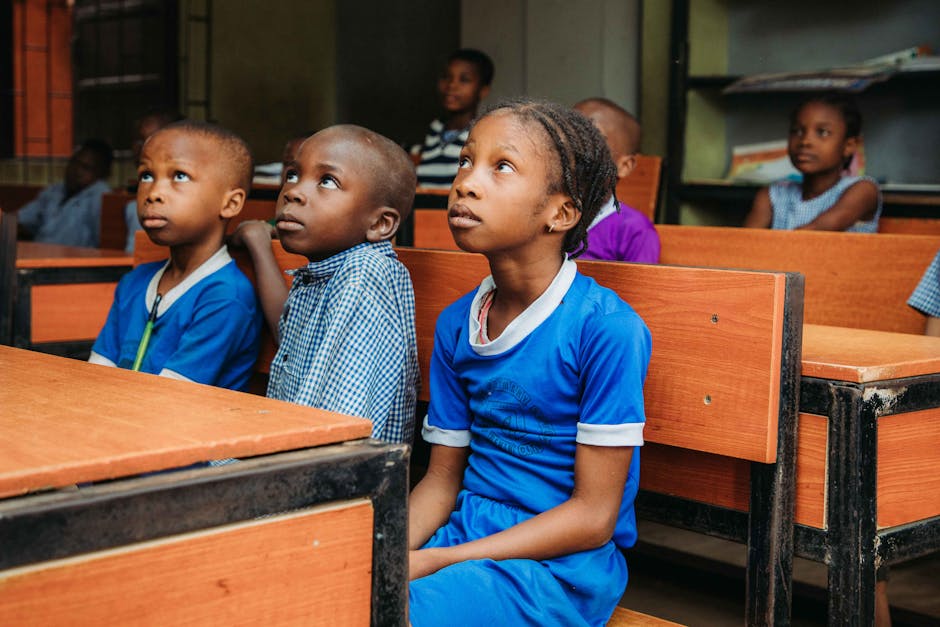
Addressing disparities in educational access and resources is crucial for creating a fair learning environment. Educational equity initiatives aim to level the playing field. By understanding and implementing these initiatives, we can significantly enhance educational outcomes.
Strengthening Access to Resources
One of the key aspects of educational equity is ensuring that all students have access to necessary resources. This involves providing technology, textbooks, and learning materials to underserved communities.
Enhancing Teacher Training
Effective teacher training programs are vital in addressing diverse student needs. Initiatives focusing on professional development equip educators with the skills to support all learners effectively.
Promoting Inclusive Curriculums
Adopting inclusive curriculums that reflect diverse cultures and histories encourages student engagement and a sense of belonging, crucial for a well-rounded education.
Supporting Community Engagement
Community involvement in schools helps reinforce educational equity. Partnerships with local organizations can provide additional resources and support, fostering an inclusive environment.
Investing in Early Childhood Education
Early interventions are essential for bridging gaps in educational opportunities. Investing in quality early childhood education is a proactive step towards equitable learning.
In conclusion, educational equity initiatives play a vital role in shaping a more just and effective educational landscape. By addressing these areas, we create an environment where every student has the opportunity to succeed.