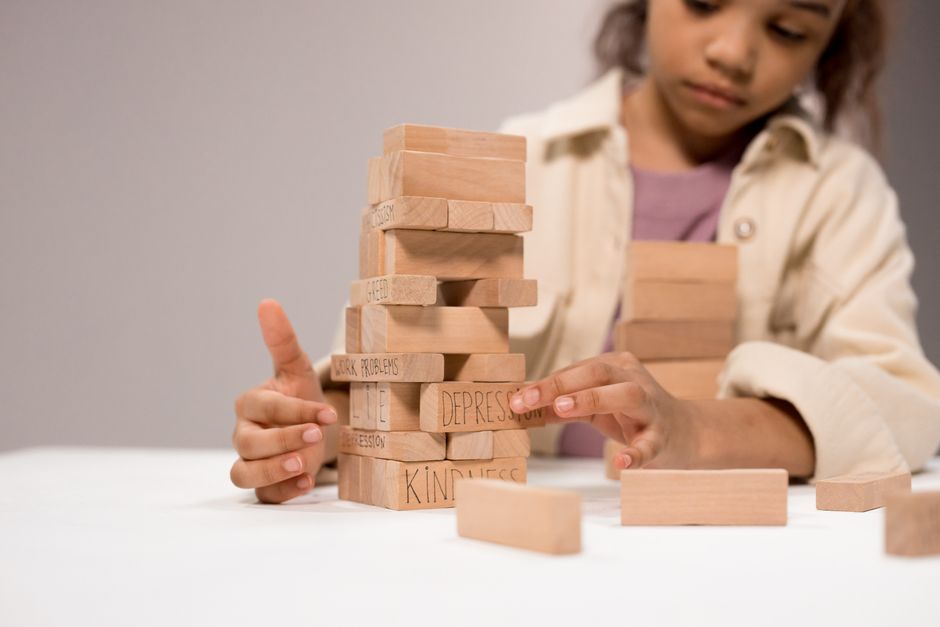
Social-emotional learning (SEL) is an integral part of education, equipping students with the skills necessary to understand and manage emotions, set goals, and establish positive relationships. By incorporating effective SEL strategies in the classroom, educators can foster a supportive and responsive learning environment.
Build a Culture of Empathy
Creating an empathetic classroom environment allows students to express themselves freely and understand their peers' emotions. Activities that encourage sharing and listening can build empathy, enhancing social cohesion among students.
Foster Self-Awareness
Encouraging self-awareness helps students recognize their emotions and triggers. Journaling and reflective exercises can be effective tools for promoting self-assessment and personal growth.
Teach Emotional Regulation
Helping students learn to manage their emotions is crucial. Mindfulness practices, such as deep breathing and meditation, enable students to develop emotional control and resilience.
Enhance Relationship Skills
Teaching communication and conflict-resolution skills is vital for building strong relationships. Role-playing exercises can provide students with practical experience in managing interpersonal conflicts.
Support Responsible Decision-Making
Guiding students to evaluate situations and consider consequences enhances their decision-making skills. Scenarios and ethical discussions can help students practice and refine this skill.
In conclusion, integrating SEL strategies into education prepares students not just for academic success but for healthy, social development. By mastering these strategies, educators empower students to navigate life's challenges with confidence and empathy.