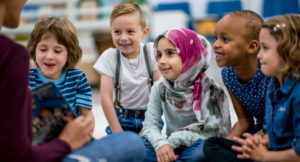
Inclusive education is a transformative approach that aims to integrate all students, regardless of their diverse needs, into mainstream classrooms. It fosters an environment where everyone can thrive and learn together, ensuring equitable opportunities for students with disabilities or learning differences.
Understanding the Importance of Inclusive Education
Inclusive education is not just a moral imperative but a legal one in many places. It emphasizes the significance of bringing all children into the fold of mainstream education, promoting diversity, acceptance, and mutual respect.
Adaptive Teaching Methods
Teachers play a crucial role in inclusive education by employing adaptive teaching methods. This includes differentiated instruction that caters to varied learning styles, ensuring all students can grasp core concepts at their own pace.
Collaborative Partnerships
Successful inclusive education relies on strong partnerships between teachers, parents, and support staff. Collaboration ensures a holistic understanding of a student's needs and the development of tailored strategies to facilitate learning.
The Role of Assistive Technologies
Incorporating assistive technologies can greatly enhance learning experiences for students with special needs. Tools such as speech-to-text software, audiobooks, and other digital resources can bridge learning gaps and make education more accessible.
Creating an Inclusive Classroom Environment
An inclusive classroom environment is characterized by a respectful and supportive atmosphere. This involves embracing diversity, ensuring classrooms are physically accessible, and fostering positive student interactions.
Conclusion
Inclusive education practices are vital in creating a society that values diversity and promotes equal opportunities for all students. By implementing these practices, educators can create a nurturing environment where every student is empowered to achieve their full potential.