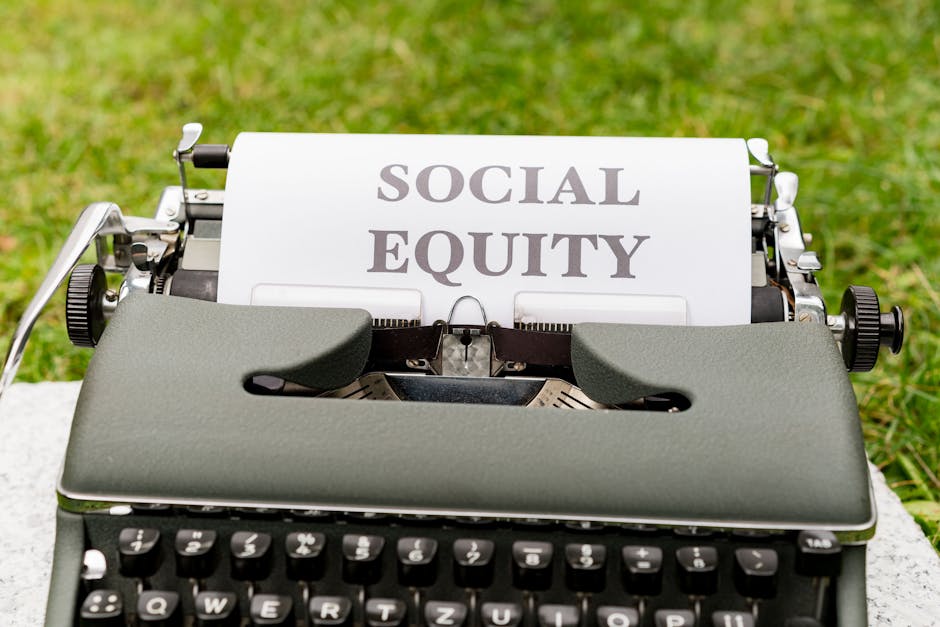
Education is often heralded as the great equalizer, yet achieving genuine equity in education remains a complex challenge. This article explores the importance of educational equity and how it can be realized.
Understanding Educational Equity
Educational equity means providing every student with the resources and opportunities needed to succeed, regardless of their background. It is about leveling the playing field so that socioeconomic status or geography does not dictate educational outcomes.
Barriers to Achieving Equity
Several factors can impede equity, including inadequate funding, bias, and lack of access to quality resources. Addressing these barriers is crucial to ensuring all students can thrive.
Strategies for Promoting Equity
Policymakers must focus on distributing resources more equitably, while educators should embrace inclusive curricula and differentiated instruction to meet diverse needs.
Conclusion
Achieving equity in education is not just a moral imperative but a societal one. By fostering an equitable system, we unlock the potential of all students, paving the way for a brighter, more equitable future.