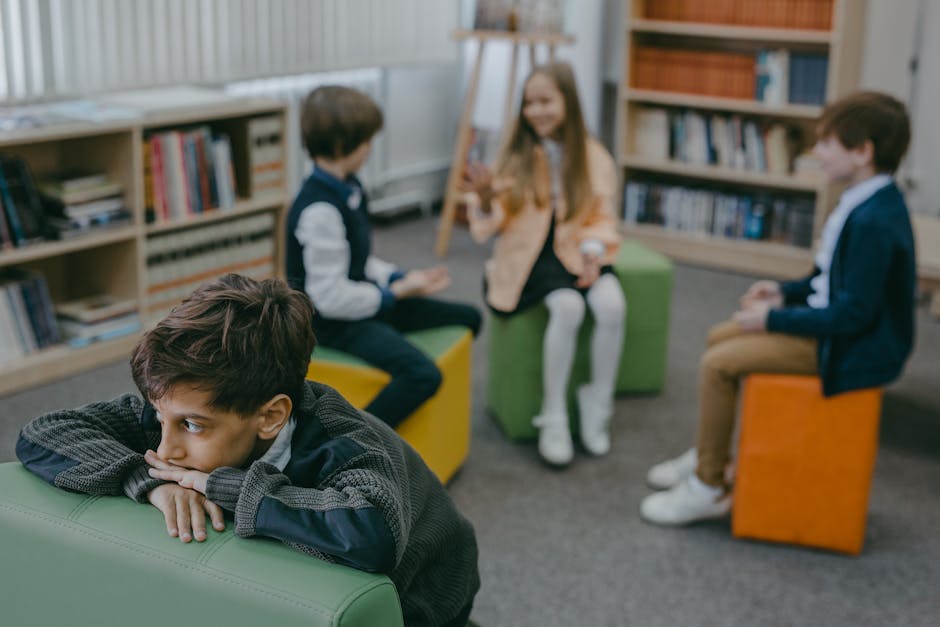
In today’s rapidly evolving educational landscape, social-emotional learning (SEL) has emerged as a cornerstone of holistic education. SEL is not just a buzzword; it's a framework that equips students with essential skills for personal and academic success.
Understanding Social-Emotional Learning
Social-emotional learning focuses on developing self-awareness, self-control, and interpersonal skills that are vital for school, work, and life success. By incorporating SEL into the curriculum, schools aim to cultivate a supportive and effective learning environment.
Benefits of SEL in Schools
One key benefit of SEL is improved academic performance. When students learn to manage their emotions, they can concentrate better on academics. Another advantage is the enhancement of social skills, leading to healthier peer interactions. SEL also promotes resilience, enabling students to navigate challenges more effectively.
Implementing SEL Programs
Successful implementation of SEL programs requires collaboration among educators, parents, and the community. Consistent practice and reinforcement of SEL strategies within the school environment ensure that students internalize these vital skills.
Conclusion: A Pathway to Success
Incorporating social-emotional learning in schools fosters well-rounded individuals who can thrive in various aspects of life. By prioritizing SEL, educational institutions are preparing students not only for academic success but also for a fulfilling personal and professional future.