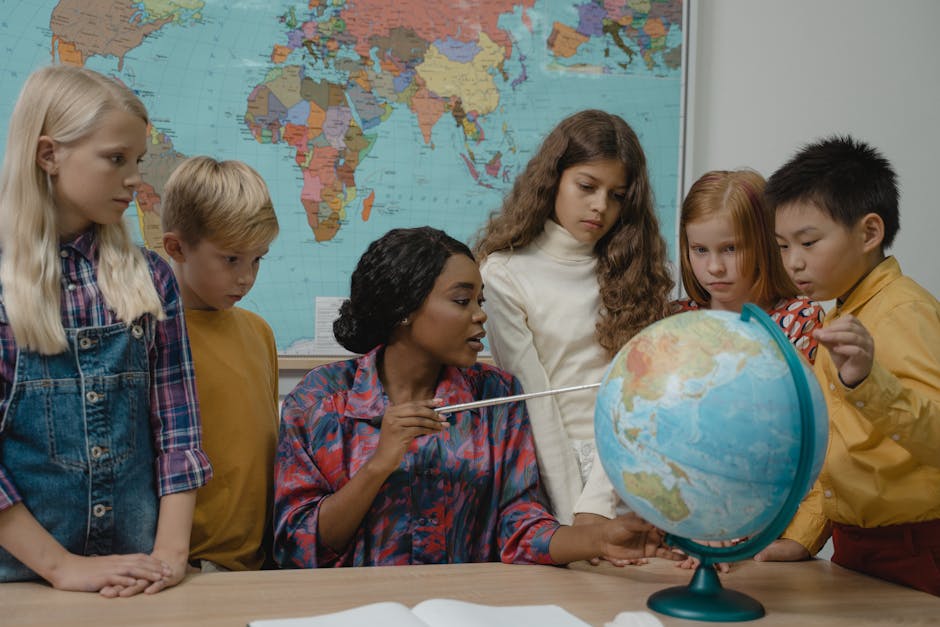
In an increasingly globalized world, multicultural education plays a vital role in shaping inclusive, diverse, and empathetic communities. It provides a framework for understanding and respecting cultural differences, fostering a more harmonious society.
Fostering Cultural Awareness and Sensitivity
Multicultural education helps students understand and appreciate diverse cultures, promoting empathy and reducing prejudices. By learning about different cultural practices and values, students become more culturally aware and sensitive.
Encouraging Critical Thinking and Open-Mindedness
This educational approach challenges students to think critically about their own cultural assumptions. It encourages open-mindedness and the consideration of multiple perspectives, critical in solving complex global issues.
Promoting Equity and Social Justice
By addressing systemic inequalities, multicultural education aims to promote equity and social justice. It provides students with the tools to understand and dismantle discriminatory practices, creating a fairer society.
Enhancing Communication Skills
Exposure to diverse cultures enhances students' communication skills. Understanding different cultural contexts improves interpersonal skills, crucial in today's interconnected world.
Preparing Students for a Global Workforce
Multicultural education equips students with the competencies required for success in a global workforce. They learn to interact effectively with people from diverse backgrounds, a valuable skill in any professional setting.
In conclusion, multicultural education is not just a pedagogical approach but a necessity for thriving in today's multicultural world. It nurtures open-minded, culturally competent individuals capable of contributing positively to society.