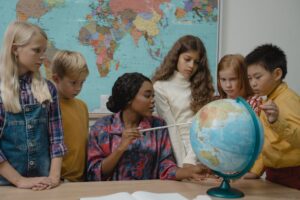
In today's globalized world, multicultural education is increasingly important for fostering an inclusive learning environment. Educators now have the responsibility of preparing students to thrive in diverse societies. Here are five key practices for effective multicultural education.
Understanding Cultural Differences
Recognizing and respecting cultural differences are foundational for multicultural education. Teachers should make efforts to learn about their students' backgrounds, which can lead to more inclusive and relatable teaching strategies.
Inclusive Curriculum Design
An inclusive curriculum integrates diverse perspectives and content. Incorporating stories, histories, and examples from various cultures makes the material more engaging and relatable to all students.
Encouraging Critical Thinking
Multicultural education encourages students to challenge stereotypes and question biases. By engaging students in critical thinking, educators can nurture a classroom environment that values diverse viewpoints.
Collaborative Learning Environments
Fostering collaboration among students from different backgrounds can enhance empathy and mutual understanding. Group projects and peer learning activities create opportunities for students to learn from one another.
Family and Community Engagement
Involving families and communities in the educational process supports a multicultural agenda. Establishing partnerships with diverse community groups can enrich educational content and provide real-world perspectives.
Implementing effective multicultural education practices prepares students for a cohesive, interconnected world, promoting empathy and understanding across cultural lines.