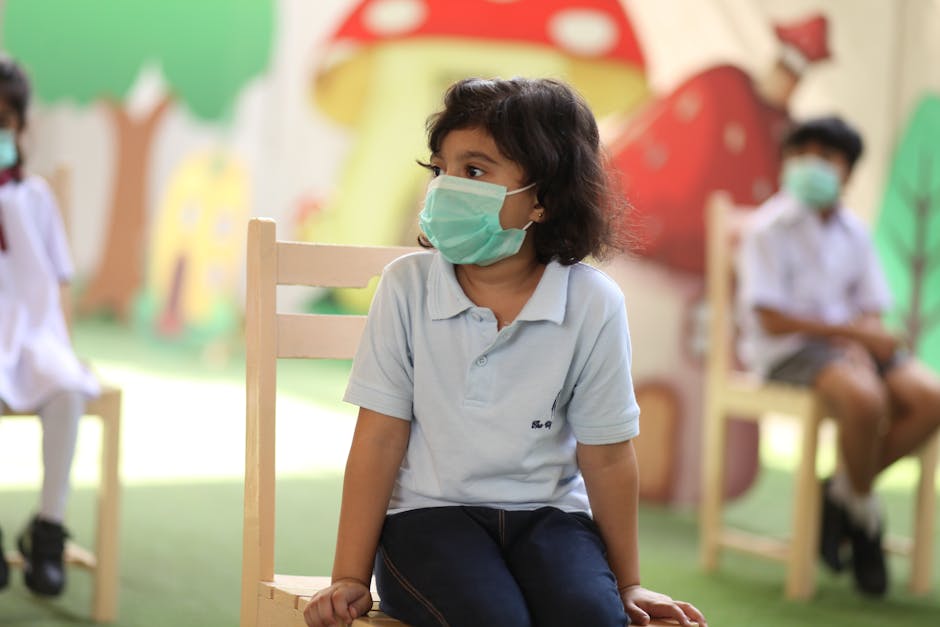
A safe school environment is foundational to effective learning and student well-being. It ensures that learners are protected from harm, feel secure, and are engaged in their educational journey. Establishing this environment requires concerted efforts from all stakeholders.
Promoting Physical Safety
Physical safety is the cornerstone of any safe school environment. Schools need to secure premises through measures such as surveillance systems, secure entry points, and regular safety drills to prepare for emergencies.
Encouraging Emotional Security
An emotionally secure environment is crucial for student success. Schools can promote this by fostering an inclusive culture where bullying and discrimination are actively discouraged. Providing access to counseling services also supports students’ mental health.
Involving Community Partners
Engaging community partners in safety initiatives enhances the school environment. Collaborations with local law enforcement and health services can bring additional resources and expertise to ensure comprehensive safety measures are in place.
Implementing Clear Communication Channels
Effective communication channels between the school, students, and parents are vital. Regular updates and feedback mechanisms help address concerns promptly, ensuring everyone is informed and involved in maintaining a safe environment.
Conclusion
Creating a safe school environment requires dedication and collaboration. By focusing on physical safety, emotional security, community involvement, and clear communication, schools can create a nurturing atmosphere that supports academic and personal growth.