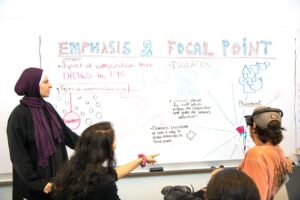
Creating an inclusive classroom environment is crucial in nurturing a diverse and supportive educational space. By implementing effective strategies, educators can ensure that all students feel valued and capable of achieving their learning potential.
Embrace Diverse Teaching Methods
To foster inclusivity, it’s essential to adopt varied instructional methods. This can include a mix of visual, auditory, and kinesthetic activities, catering to the unique learning styles of each student.
Promote Collaborative Learning
Encouraging group work and peer collaboration not only enhances social skills but also allows students to learn from diverse perspectives, fostering a sense of community.
Adapt Curriculum and Assessments
Modify teaching content and assessment methods to meet the diverse needs of students, ensuring everyone has equal access to learning opportunities without compromising educational standards.
Supportive Classroom Environment
Establish an environment where students feel safe and supported. This includes creating clear rules, offering positive reinforcement, and being attentive to individual student needs.
Encourage Open Communication
Promote open dialogue between students and teachers to build trust and understanding. This allows students to express their concerns and feel involved in their learning experience.
In conclusion, implementing these inclusive classroom strategies can greatly enhance the learning environment, ensuring that every student feels empowered and has the opportunity to succeed.