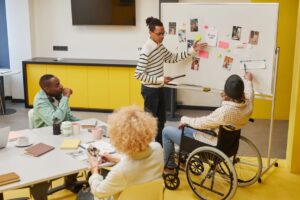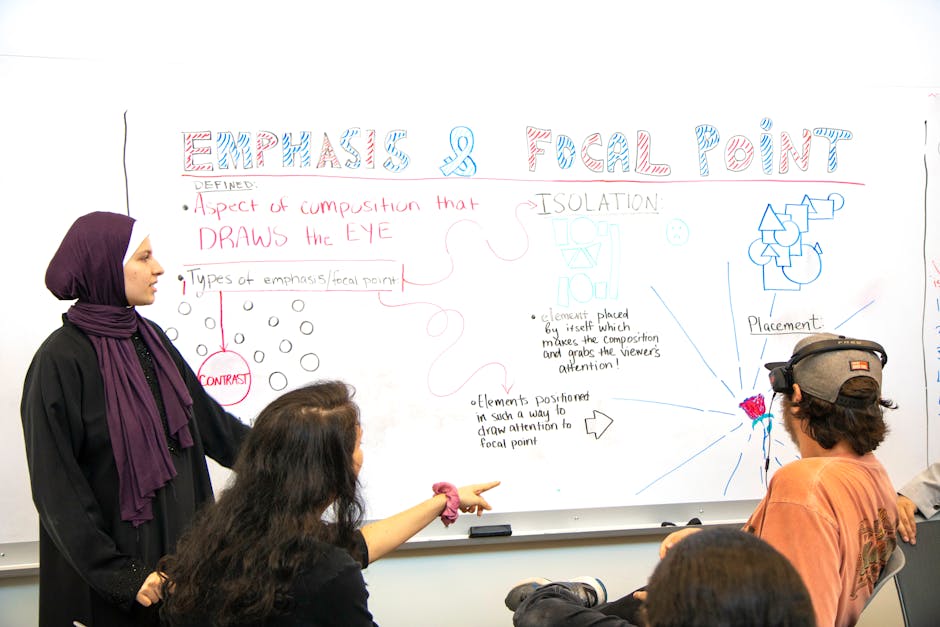
Inclusive classrooms are pivotal in fostering an equitable learning environment where all students, regardless of their backgrounds or abilities, feel valued and supported. As educators aim to embrace diversity, implementing effective strategies becomes essential.
Differentiate Instruction
Tailoring teaching methods to accommodate various learning styles ensures that every student has the opportunity to succeed. Utilizing a mix of visual, auditory, and kinesthetic activities can address diverse needs within a classroom.
Foster Collaborative Learning
Encouraging students to work together in small, diverse groups promotes social integration and empathy. It helps students learn from one another, breaking down stereotypes and building mutual respect.
Implement Flexible Seating
Offering multiple seating options can help students feel more comfortable and focused, enhancing their ability to engage and participate in classroom activities.
Use Assistive Technology
Incorporating technology tools can provide customized support for students with disabilities, enabling them to access the curriculum and demonstrate their understanding effectively.
Encourage Open Communication
Establishing a classroom culture with open lines of communication allows students to express their needs and preferences, leading to a more adaptive and supportive learning environment.
By integrating these transformative strategies, educators can create a nurturing academic atmosphere that champions inclusivity and encourages every student to thrive.