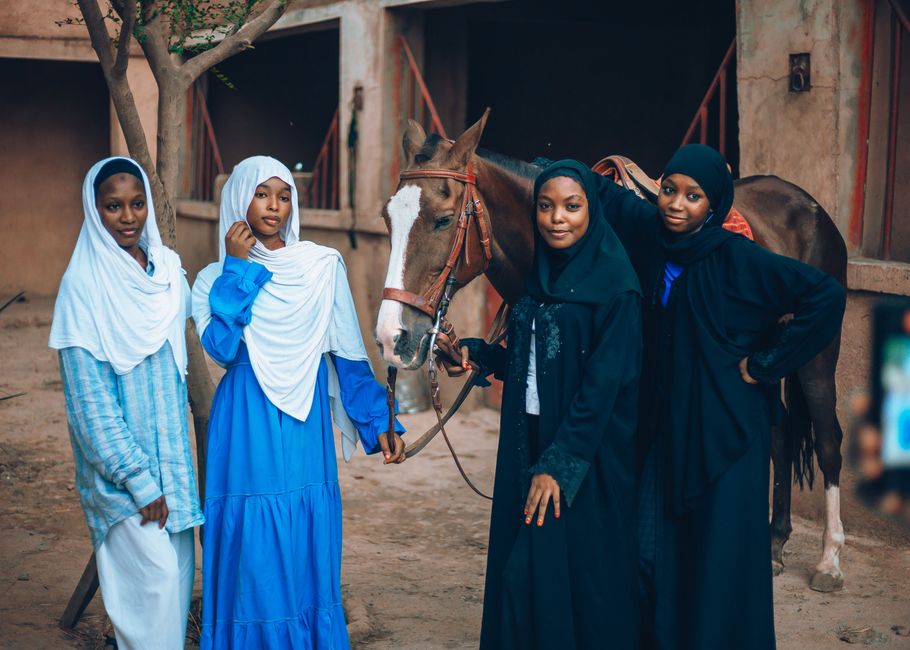
Equitable education is a fundamental right, aiming to provide fair opportunities for all students regardless of their socio-economic backgrounds. This article discusses five strategies that can help achieve a more equitable educational landscape.
Differentiated Instruction
Differentiated instruction involves tailoring teaching methods to individual learning needs. This approach ensures that all students, including those with diverse learning abilities, receive the attention and resources they need to succeed.
Culturally Responsive Teaching
Culturally responsive teaching emphasizes the inclusion of students' cultural references in all aspects of learning. It fosters a more inclusive and supportive learning environment, encouraging engagement and participation from all students.
Community and Parental Involvement
Involving communities and parents in the educational process can bridge gaps and foster a supportive learning environment. This collaboration empowers students and nurtures their educational growth.
Access to Technology
Technology can level the playing field by providing access to quality educational resources. Ensuring all students have equal access to technology is crucial for an equitable education system.
Professional Development for Educators
Continuous professional development for educators helps them understand the diverse needs of their students, equipping them with the tools and strategies needed for inclusive teaching.
Equity in education is not about treating every student the same, but about providing each one with what they need to succeed. Implementing these innovative strategies can pave the way for a more just and inclusive educational system.